The future of multilateralism? There’s more than one
At the UN General Assembly, ministers, philanthropists and leaders from business and culture asked what next for the institutions built to bring countries together; and explored new alliances that might offer solutions to today’s most intractable problems and restore trust in international cooperation.
There was no shortage of optimism during an open conversation on the future of internationalism, co-produced by Project Everyone and the Future of Development Cooperation Coalition and hosted by The Observer’s editor in chief, James Harding. Last Wednesday afternoon, politicians and leaders of NGOs came together in the UN’s Goals lounge for an intimate, hour-long discussion that at times drew a productive contrast with the political theatre then underway in the Assembly Hall.
‘What is the future of working together?’ Harding asked the attendees.
“Where are the places we’ll come together? What are the issues that will force us or bring us together? And what are the rules under which we’ll work together?”
Salah Jama, deputy prime minister of Somalia, made it clear why finding answers to those questions has rarely been more urgent. He noted the “pervasive” food insecurity in his country as well as recent supply line problems exacerbated by the closures of the Strait of Hormuz and the Bab el-Mandab Strait that could see the nation of 20 million people running out of fuel in just two months. “We’re a bit surprised to see that the very institutions that we were counting on are being questioned,” he said.
In countries such as Somalia, the UN is “the only game in town” when it comes to aid, as the dean of the Paris School of International Affairs at Sciences Po and former Spanish foreign minister Arancha González Laya put it.
“Although there is a lot of pessimism about whether the current arrangement or the model of multilateralism has worked for all of us, because many of us were not at the table when many of its institutions were being put in place, we still believe that there is no other alternative to cooperation at the international level,” Jama said.
Alexia Latortue, head of secretariat of the Future of Development Cooperation Coalition, described what countries were asking for: “We want to help build that table; to shape the table; and to choose the linen together.”
Harding cited a recent poll from the Rockefeller Foundation which found a majority of respondents in 34 countries – including 61% in the US – want to reverse international aid cuts. Support for peacekeeping efforts was even higher in some countries.
That may not satisfy Donald Trump, who has repeatedly characterised the UN as a waste of money, going so far as to establish his own rival Board of Peace. The US president was not named during the session, but he was clearly on attendees’ minds.
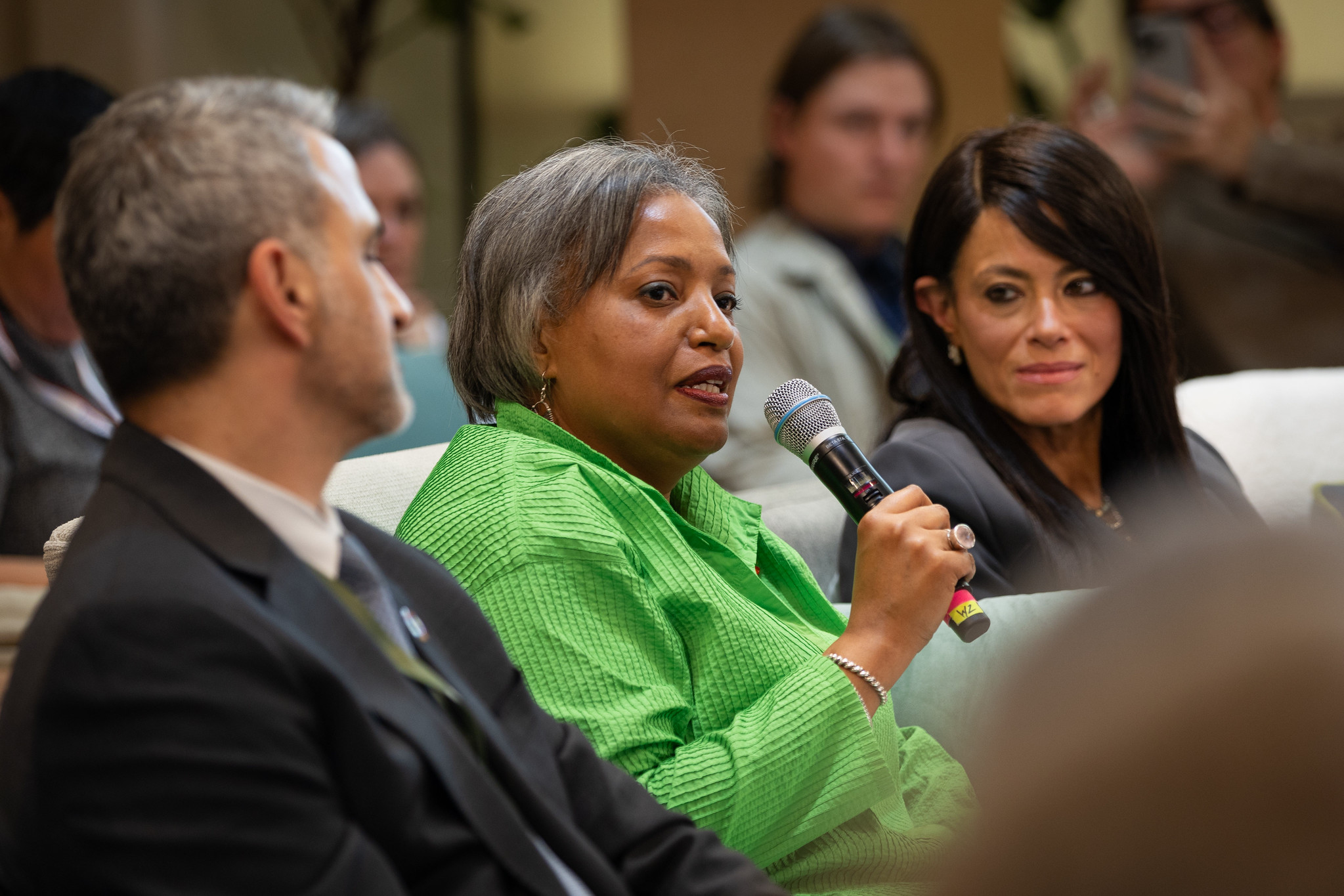
“What has happened is that some great powers do not like rule of law,” said Mary Robinson, former president of Ireland and former UN high commissioner for human rights. She cited the closing of the Strait of Hormuz and “two aggressive, illegal wars by great powers, Russia invading Ukraine, the United States together with Israel illegally invading Iran” as conflicts that have exacerbated other crises, such as economic inequality, and which cannot be solved without multilateral cooperation.
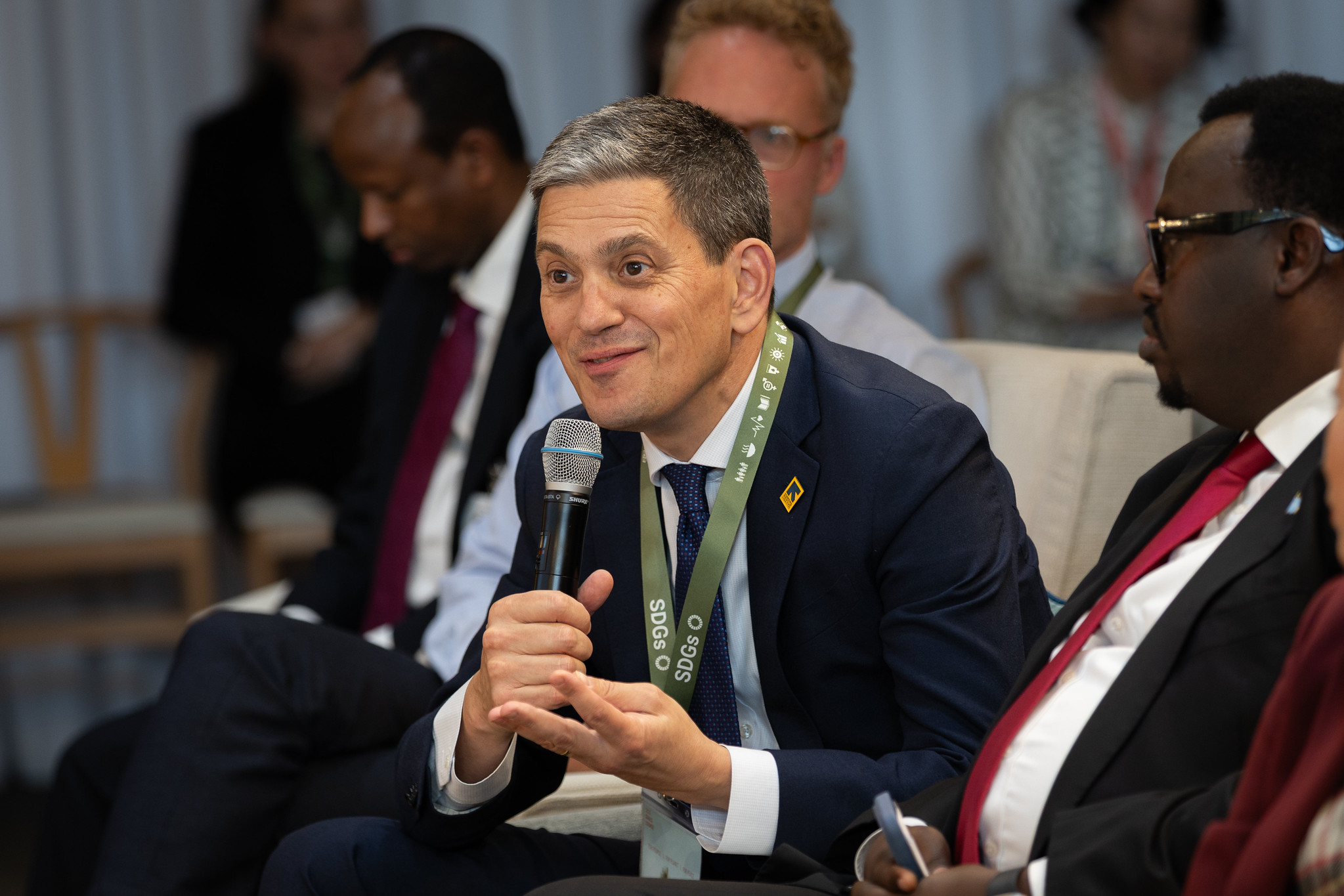
Former foreign secretary David Miliband argued that the UN must close a “credibility gap” in order to win back public trust, not just in the US but around the world – a challenge now at the core of his work leading the International Rescue Committee. “I’m obsessed with the idea that there are 45 million acutely malnourished children in the world today. There's absolutely no reason for that,” he said.
The political challenge of winning back that confidence from voters was laid out by Neale Richmond, Ireland’s development minister. “I have to justify why I've just spent a week in New York. What does cooperation mean for the person who will come into my constituency clinic or the person, to be quite frank, who's sitting at the end of next week saying, ‘I can’t afford this bill, I can’t fill my car, I can’t afford my weekly shop and I don’t know if I can afford new clothes for my kids’?”
“We get lost in the systems,” Richmond added, but ultimately, “when we're talking about the climate emergency, we are talking about people who cannot heat their homes this winter.” The UN may seem like an abstract, bureaucratic institution to many in wealthier countries that do not rely on its development assistance, but the essential work it does still profoundly impacts them. Politicians must get better at articulating the stakes, he argued.
Other speakers made more granular proposals for reform. Ngozi Okonjo-Iweala, director general of the World Trade Organisation (WTO), said that demographic and technological shifts require bodies such as the WTO to make trade rules more equitable in a fast-changing global economy. “You’ve got to take some of our agreements and look at them and say, ‘Are they fit for purpose now?’” For instance, she said, the agreement on subsidies and countervailing measures “did not take account of green subsidies” when it was drafted more than 30 years ago, creating a wealth gap that the WTO could now help close.
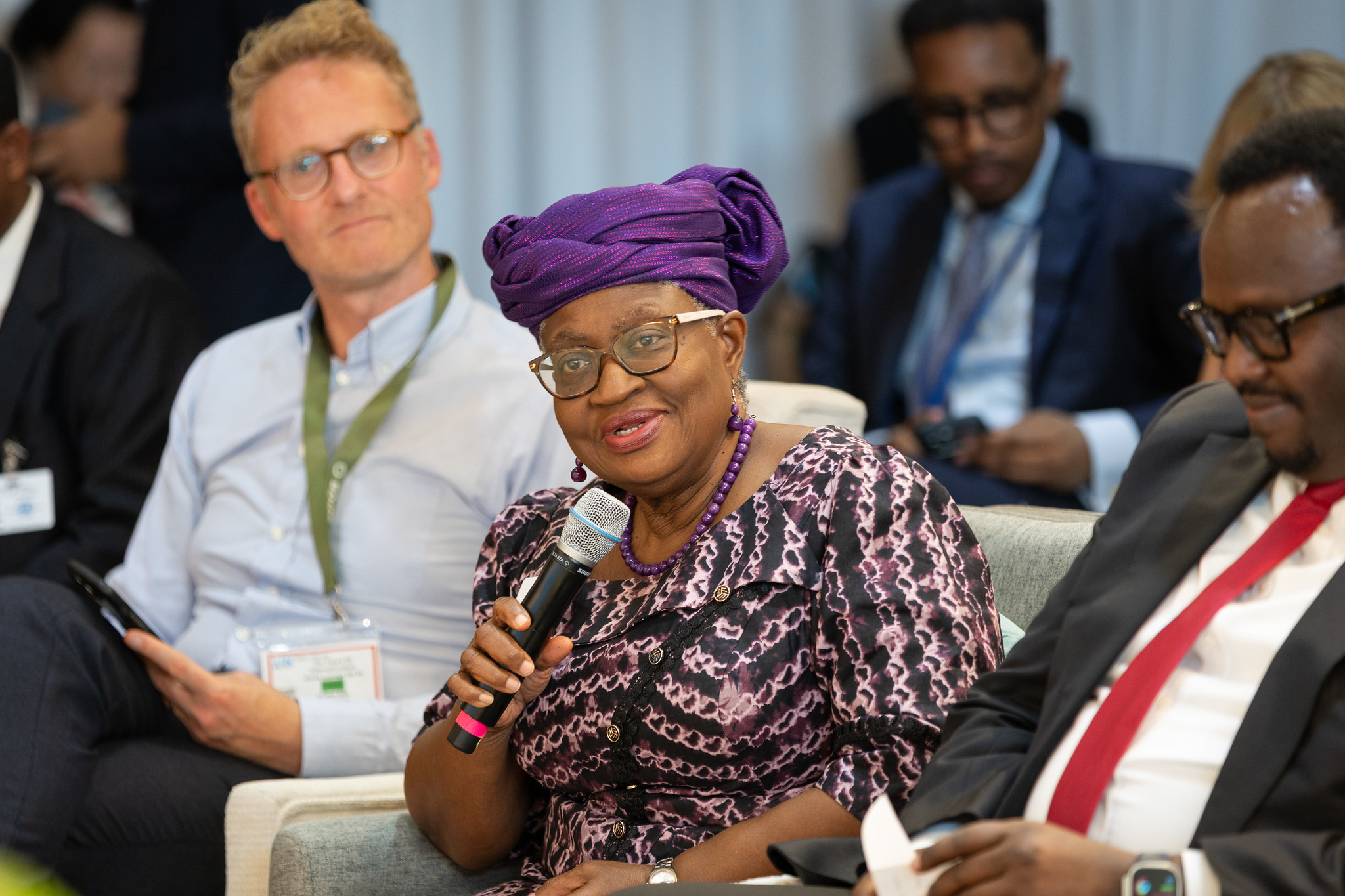
Rania Al-Mashat, executive secretary of the UN Economic and Social Commission for Western Asia, underscored that what is best for individual countries is generally best for the world. The interests of multilateral institutions and the interests of member states need not be seen as mutually exclusive. “When countries know exactly what their objectives are and what they need to do in order to close gaps, fiscal gaps, developing gaps, the different gender or women issues, all of these on a national level are achieving goals, but they also achieve global goals,” she said. “They avoid unnecessary migration, they decrease the impact of health crises in countries.”
“What's happening in Hormuz and what’s happening in the Gulf is affecting purchasing power and affordability in Europe and in the US,” she added.
All of the speakers seemed to agree that multilateralism will not look the way it has for the past 80 or even 25 years. With countries such as the US stepping back from leadership roles at the UN and Nato, many states in the global south have stepped up to the plate. Although the unipolar, post-Cold War order sometimes referred to as Pax Americana has fragmented, many attendees were keen to stress that new opportunities have now arisen for more emerging powers to set the international agenda. That search for new forms of cooperation was already taking political shape.
Luiz Inácio Lula da Silva, William Ruto, Mark Carney and António Costa have recently called for countries across regions to work together to reform and strengthen the international system as part of a Partners for Multilateralism initiative.
“I don’t think we’re going to see a resurgence of multilateralism. We’re going to see a resurgence of multilateralisms – plural,” Miliband said. “I’m trying to say that there’s not a single new world order that’s going to come. There are going to be regional coalitions, values-based coalitions and issue-based coalitions.”
Robinson agreed, predicting “diverse and multilayered examples of multilateralism, middle powers moving forward because the big powers are not at the table.”
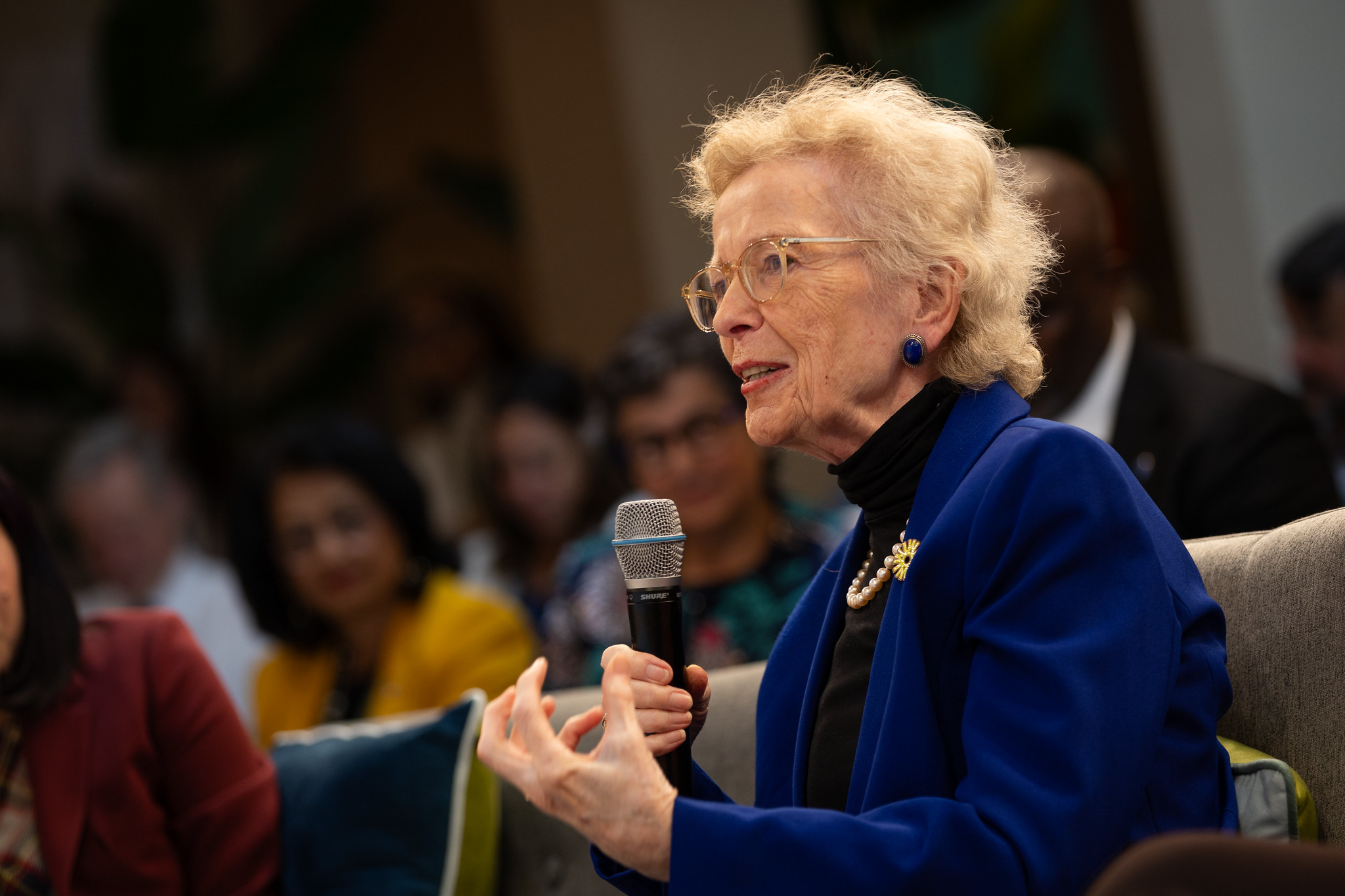
At the end of the thoughtful, lively session, González Laya’s closing remarks put the need for diversity and pluralism in terms that would likely appeal to voters in the US and UK.
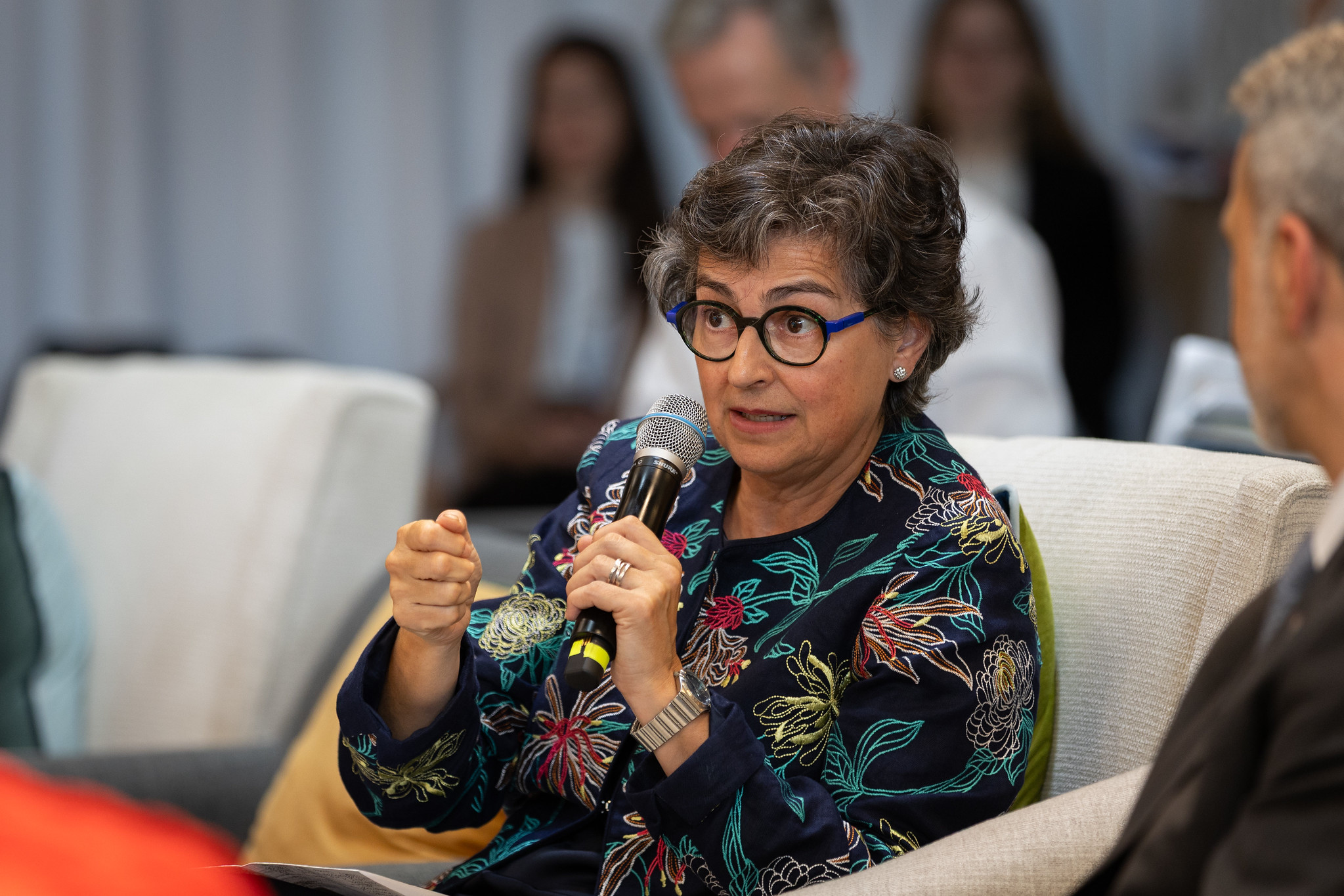
The discussion offered a glimpse of the stubborn hope that persists at the UN. Even under financial strain and amid conflict, countries continue to look to international cooperation for things they cannot achieve alone. The test now is whether that enduring demand can translate into institutions and partnerships that deliver the results so sorely needed.
Photography by Kiara Worth / UN Partnerships